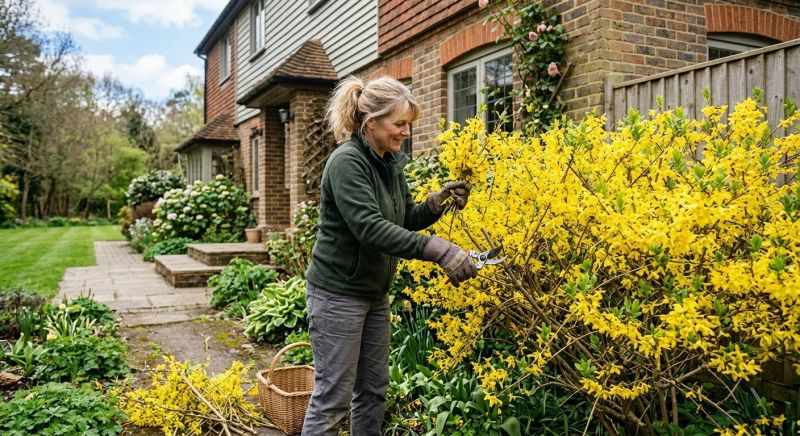
Forsythia Pruning in Rockwall, TX
Forsythia pruning services involve the careful trimming and shaping of these vibrant flowering shrubs to promote healthy growth and maintain an attractive appearance. This type of pruning typically includes removing dead or overgrown branches, thinning out dense areas, and shaping the plant to enhance its natural form. Property owners often request this service to encourage more abundant flowering, improve the overall health of the shrub, and ensure that it fits well within the landscape design of their yard or garden.
Before requesting Forsythia pruning, homeowners should consider the current condition of their plants, including the extent of overgrowth or damage from weather or pests. It’s helpful to know the best time of year for pruning, which generally occurs after flowering to avoid cutting off next season’s blooms. Understanding the desired size and shape of the shrub, as well as any specific concerns about its health or placement, can assist in planning the appropriate pruning approach for a thriving and visually appealing landscape.
Many property owners in Rockwall, TX look into Forsythia Pruning for repairs, replacements, upgrades, and appearance-related improvements.
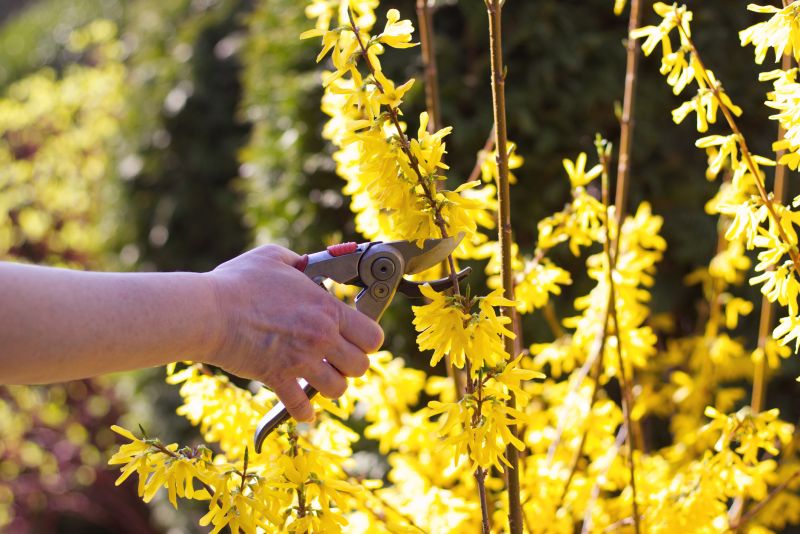
Benefits Of Forsythia Pruning
Proper pruning encourages healthier growth and maintains an attractive appearance for your landscape.
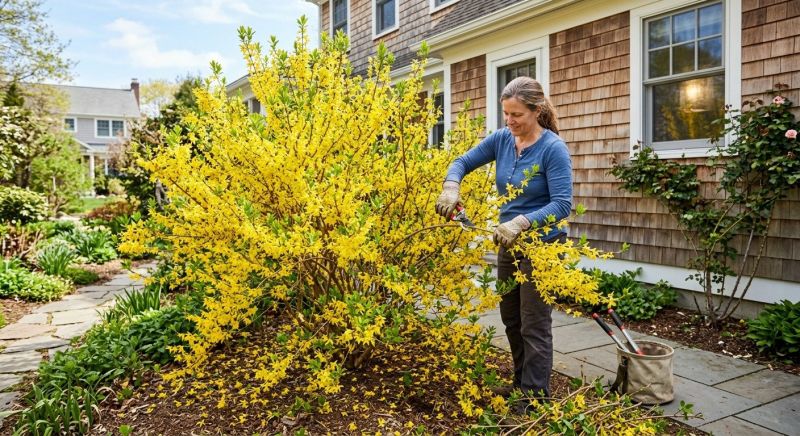
Common Pruning Techniques
Techniques include shaping, removing dead wood, and controlling size to suit your yard in rockwall, tx.
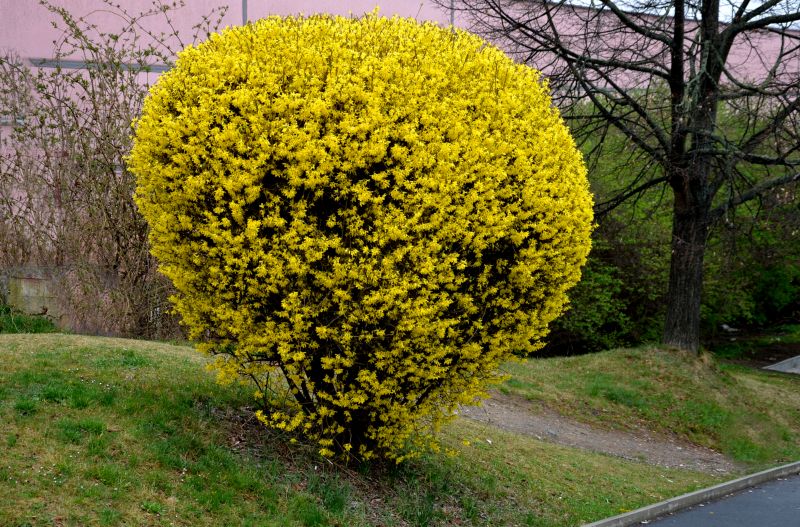
When To Prune Forsythia
Pruning is typically done in early spring or after flowering to promote vibrant blooms and plant health.
Forsythia Pruning in Rockwall, TX

Forsythia pruning services involve the careful trimming and shaping of these vibrant flowering shrubs to promote healthy growth and maintain an attractive appearance. This type of pruning typically includes removing dead or overgrown branches, thinning out dense areas, and shaping the plant to enhance its natural form. Property owners often request this service to encourage more abundant flowering, improve the overall health of the shrub, and ensure that it fits well within the landscape design of their yard or garden.
Before requesting Forsythia pruning, homeowners should consider the current condition of their plants, including the extent of overgrowth or damage from weather or pests. It’s helpful to know the best time of year for pruning, which generally occurs after flowering to avoid cutting off next season’s blooms. Understanding the desired size and shape of the shrub, as well as any specific concerns about its health or placement, can assist in planning the appropriate pruning approach for a thriving and visually appealing landscape.
Many property owners in Rockwall, TX look into Forsythia Pruning for repairs, replacements, upgrades, and appearance-related improvements.
Common Forsythia Pruning Jobs
Forsythia Pruning - Maintains healthy growth and encourages vibrant flowering.
Seasonal Trimming - Shapes the shrub for a neat and balanced appearance.
Overgrowth Reduction - Removes dead or damaged branches to promote new growth.
Thinning - Improves air circulation and reduces the risk of disease.
Rejuvenation - Restores old or overgrown Forsythia to a more manageable size.
Maintenance Pruning - Keeps Forsythia looking its best throughout the year.
Forsythia Pruning Questions
What is the purpose of Forsythia pruning? Forsythia pruning helps maintain the plant's shape, encourages healthy growth, and promotes abundant flowering each season.
When is the best time to prune Forsythia? The ideal time to prune Forsythia is immediately after it finishes blooming in spring, to avoid cutting off next year's flower buds.
How much should be removed during Forsythia pruning? Typically, about one-third of the oldest stems are removed to stimulate new growth and keep the shrub vigorous.
Can Forsythia be pruned for shaping? Yes, Forsythia can be shaped through selective pruning to fit the desired landscape design or to control its size.
Request Forsythia Pruning in Rockwall, TX
Use the quote form on this page to share the basics of your project and request more information for the type of work you need.