Deadwood Removal in Allentown, PA
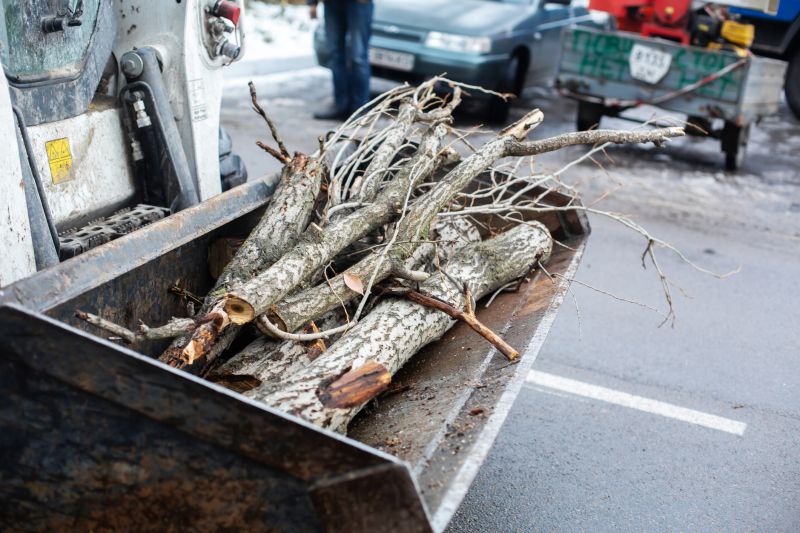
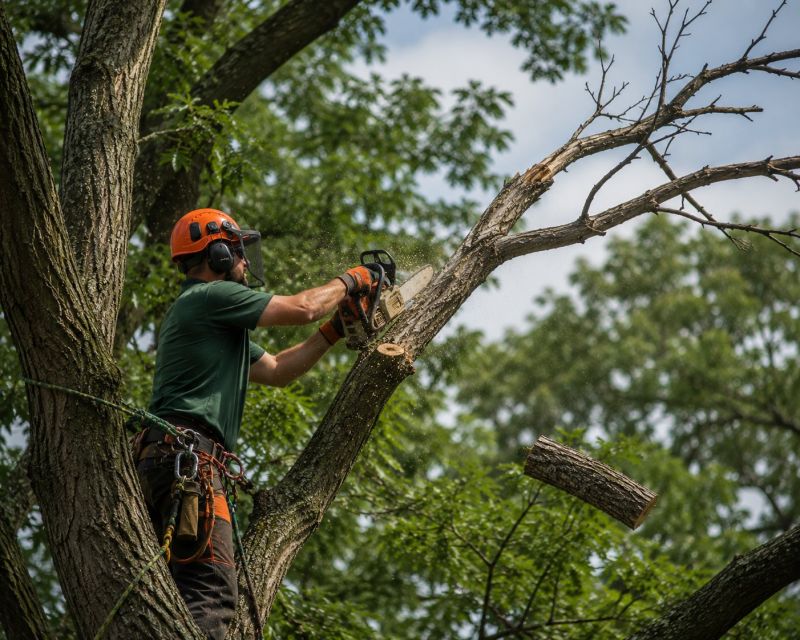
Deadwood removal services involve the safe and efficient removal of dead or dying trees, as well as the cleanup of fallen branches and debris. These projects typically include removing hazardous trees that pose a risk to property or safety, clearing out storm-damaged trees, or removing trees that are no longer healthy and may interfere with construction or landscaping plans. Property owners considering deadwood removal should understand the scope of the work, including how the removal may impact the landscape and whether any permits or permissions are required.
Before requesting deadwood removal, homeowners often want to know about the potential effects on their property, such as the impact on surrounding plants or structures. It’s also common to inquire about the equipment used and the steps involved in safely removing large or difficult trees. Clarifying these details can help ensure the project aligns with property goals and safety considerations, making the process straightforward and well-informed.
Many property owners in Allentown, PA look into Deadwood Removal for repairs, replacements, upgrades, and appearance-related improvements.
Types Of Deadwood Removed
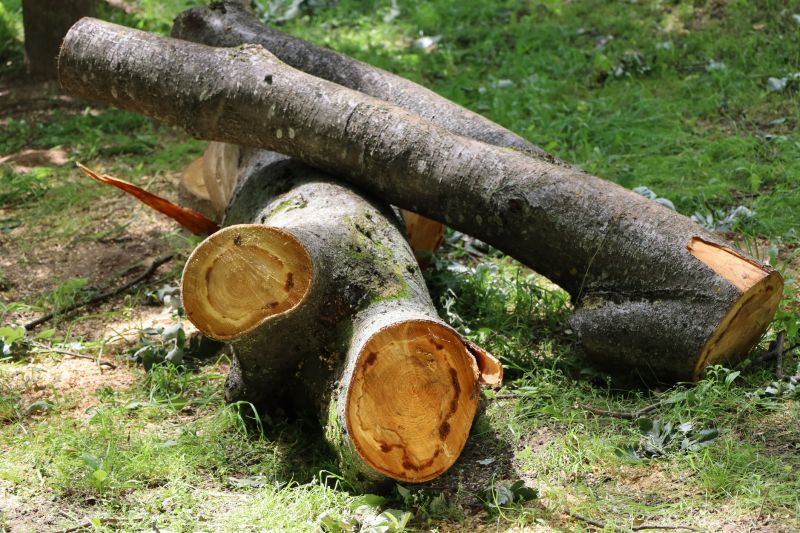
Services include removal of fallen branches, hazardous trees, and overgrown brush.
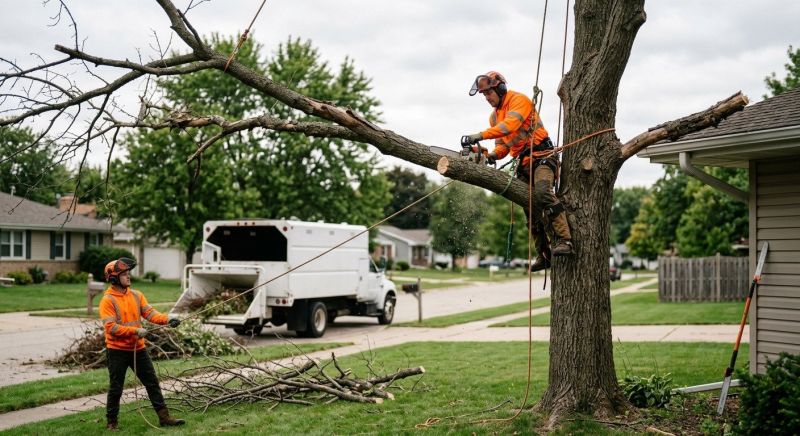
Safety And Property Protection
Deadwood removal helps prevent damage to structures and reduces safety hazards.
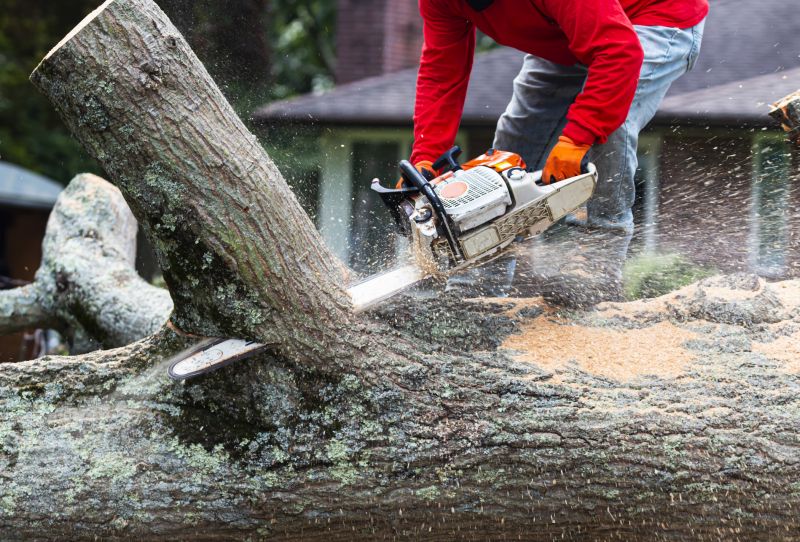
Benefits Of Deadwood Clearing
Removing deadwood enhances landscape appearance and promotes healthier tree growth in allentown, pa.
Deadwood Removal in Allentown, PA
Deadwood removal services involve the safe and efficient removal of dead or dying trees, as well as the cleanup of fallen branches and debris. These projects typically include removing hazardous trees that pose a risk to property or safety, clearing out storm-damaged trees, or removing trees that are no longer healthy and may interfere with construction or landscaping plans. Property owners considering deadwood removal should understand the scope of the work, including how the removal may impact the landscape and whether any permits or permissions are required.
Before requesting deadwood removal, homeowners often want to know about the potential effects on their property, such as the impact on surrounding plants or structures. It’s also common to inquire about the equipment used and the steps involved in safely removing large or difficult trees. Clarifying these details can help ensure the project aligns with property goals and safety considerations, making the process straightforward and well-informed.
Many property owners in Allentown, PA look into Deadwood Removal for repairs, replacements, upgrades, and appearance-related improvements.
Common Deadwood Removal Jobs
Deadwood Removal - Clearing dead or fallen trees to improve property safety and appearance.
Storm Damage Cleanup - Removing debris and hazardous branches after severe weather events.
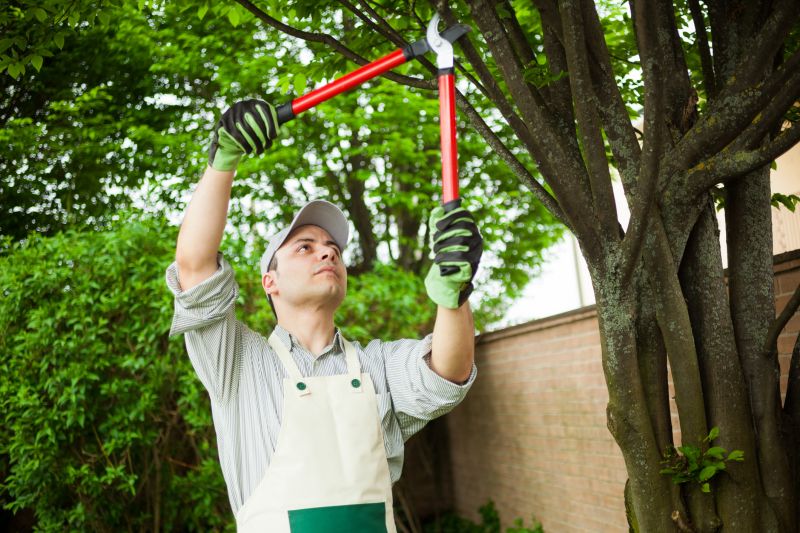
Overgrown Tree and Shrub Removal - Cutting back overgrown vegetation to promote healthy growth and prevent damage.
Uprooted Tree Removal - Safely extracting trees that have fallen or are leaning dangerously.
Hazardous Branch Removal - Removing weak or broken branches that pose a risk to structures or people.
Landscape Clearing - Clearing deadwood to prepare land for new planting or construction projects.
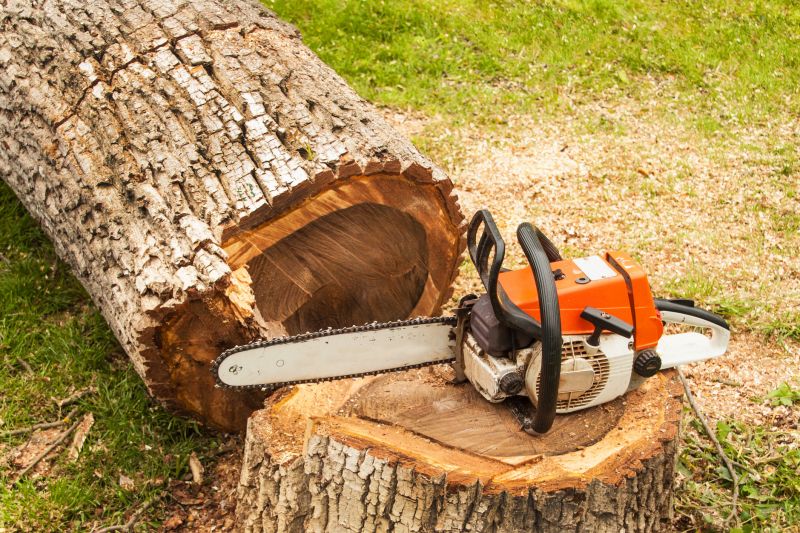
Deadwood Removal Questions
What is deadwood removal? Deadwood removal involves clearing out dead or decaying branches from trees to improve health and safety.
Why should property owners consider deadwood removal? Removing dead branches reduces the risk of falling debris and helps maintain the tree’s overall vitality.
What types of projects typically require deadwood removal? Deadwood removal is common for tree maintenance, storm damage cleanup, or preparing properties for landscaping.
Is deadwood removal necessary for all trees? Not all trees require removal, but dead branches should be addressed to prevent potential hazards and promote healthy growth.
Request Deadwood Removal in Allentown, PA
Use the quote form on this page to share the basics of your project and request more information for the type of work you need.